
Bonaire is the quiet one of the Dutch Caribbean — a desert island ringed by a living reef, where the diving is shore-based, the flamingos outnumber the traffic lights (there aren’t any), and nobody is in a hurry. This guide covers everything you need to plan a trip, written with the local tour operators who work the island every day.
- CurrencyUS dollar
- LanguageDutch & Papiamentu — English everywhere
- Weather27–30 °C all year, outside the hurricane belt
- AirportFlamingo International (BON)
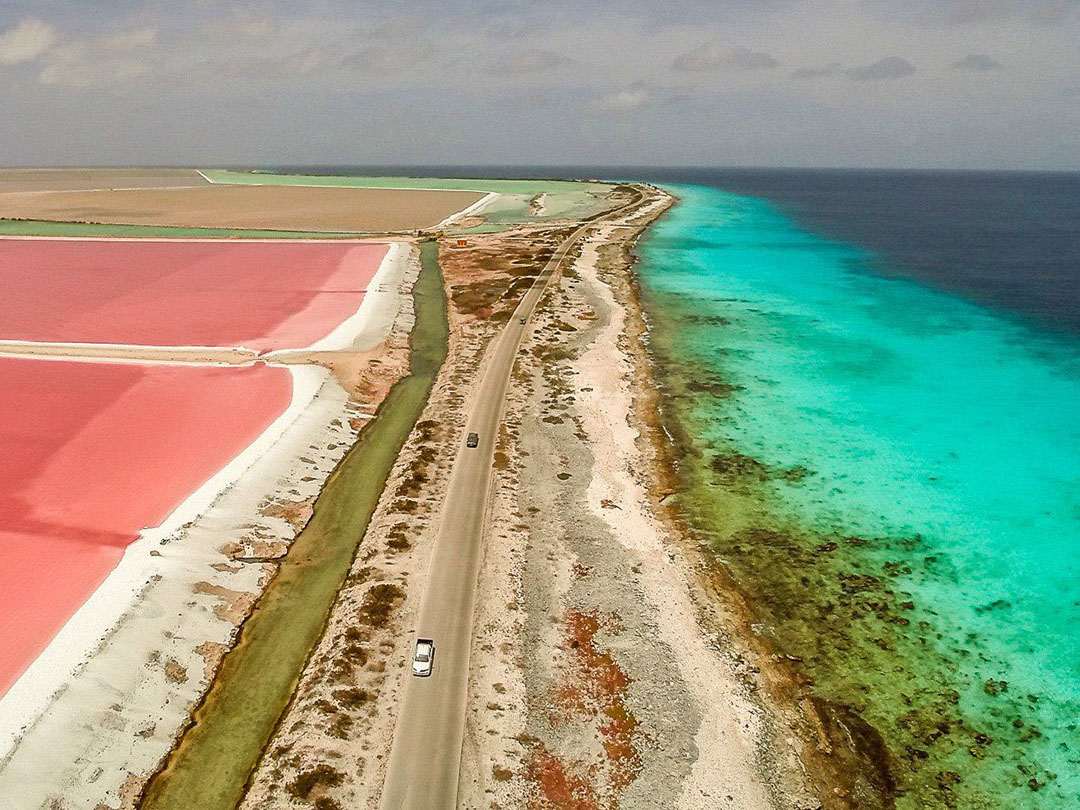
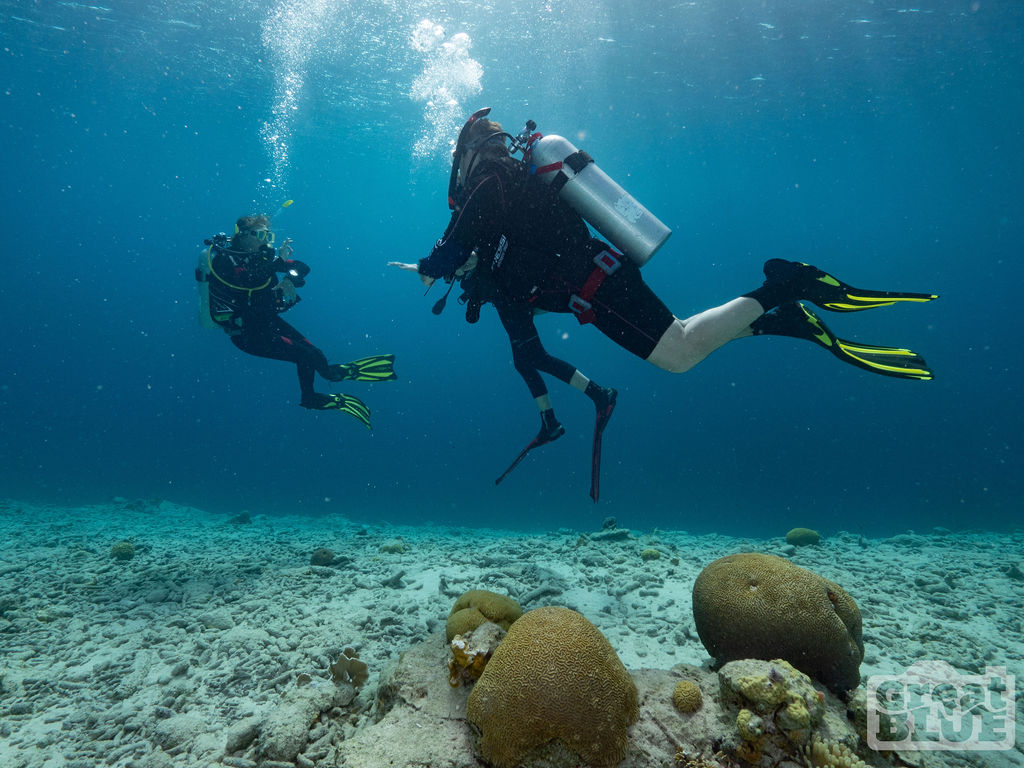
- Famous forShore diving, flamingos, salt pans
Start here
Plan your trip

When to visit
Seasons, weather month by month, crowds and prices — and why “anytime” is almost the honest answer.
Read the guide →
Getting there
Direct flights from Amsterdam and the US, island hops from Curaçao and Aruba, and what to expect at the airport.
Read the guide →
Getting around
Rental car, golf cart, scooter or taxi? What each costs and when you really need the pickup truck.
Read the guide →
Where to stay
Kralendijk, Belnem, Sabadeco or Sorobon — the neighbourhoods explained, and who each one suits.
Read the guide →
Where to eat
From the legendary fish truck at Te Amo Beach to krioyo in Rincon and chef’s tables that book out months ahead.
Read the guide →
Cruise day
Ships dock right in town. The four proven shore-day plans — and what not to attempt in limited hours.
Read the guide →Experiences
The things actually worth doing
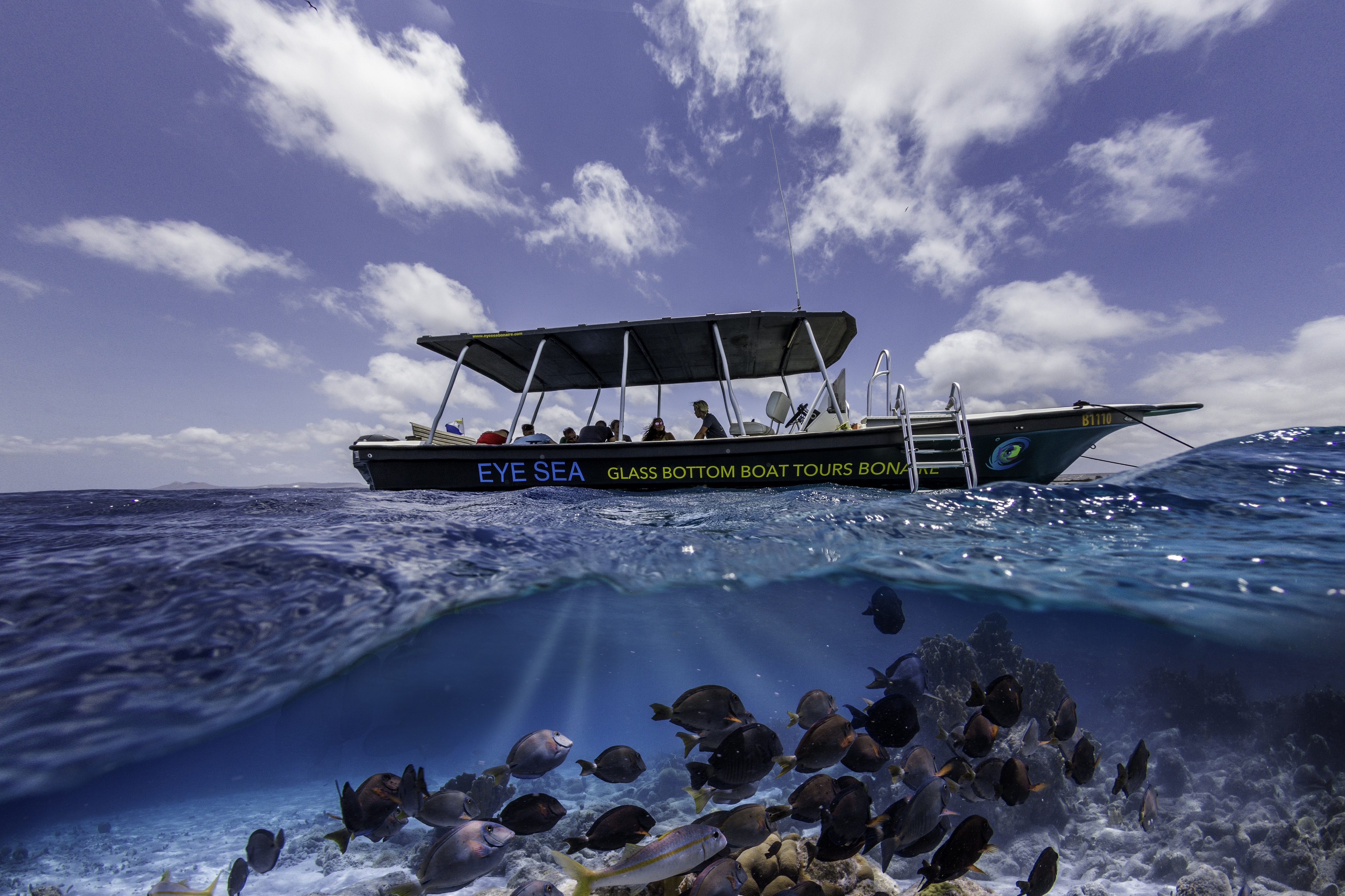
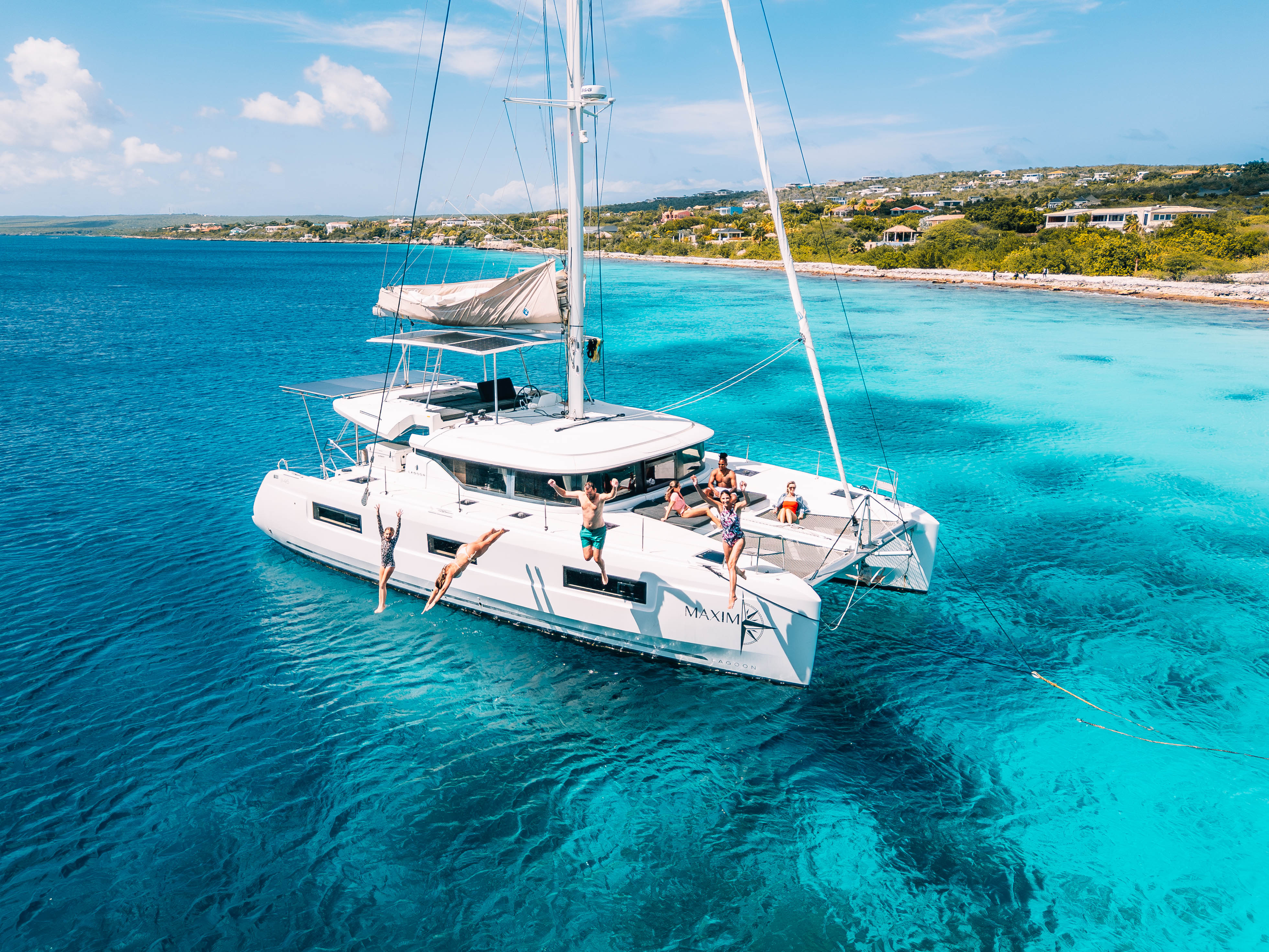
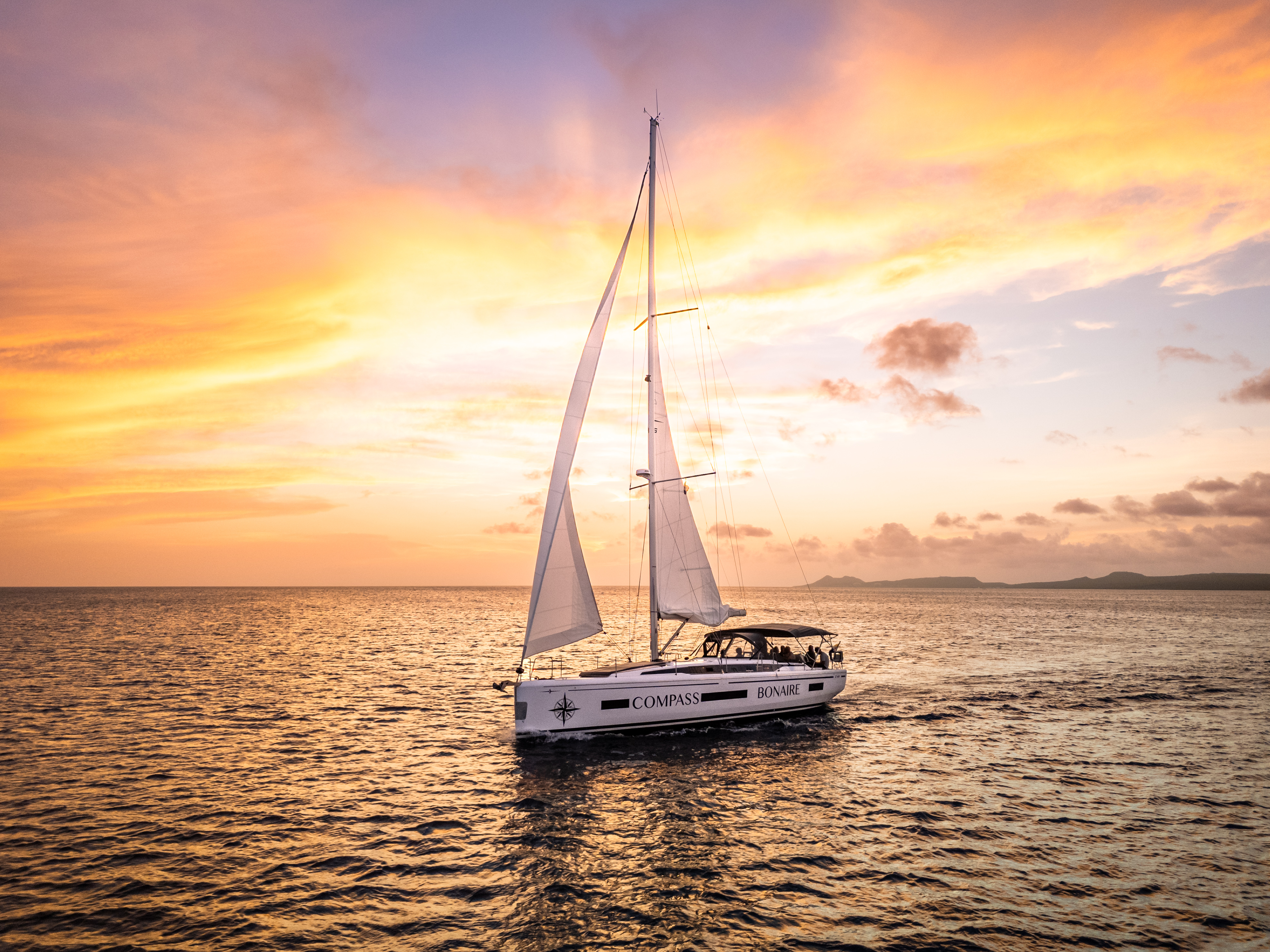
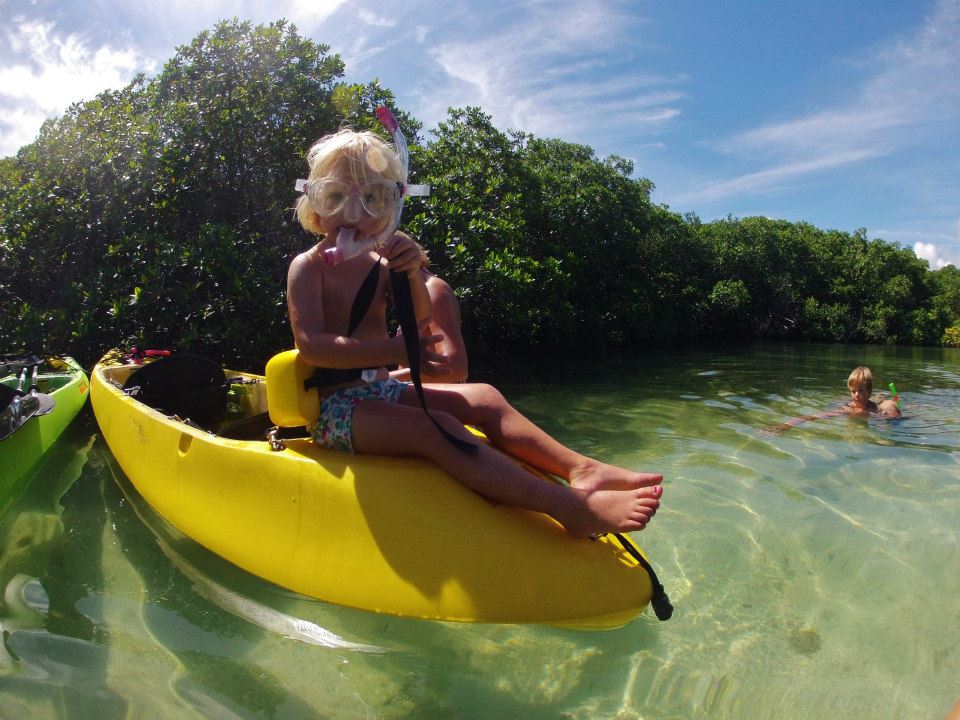
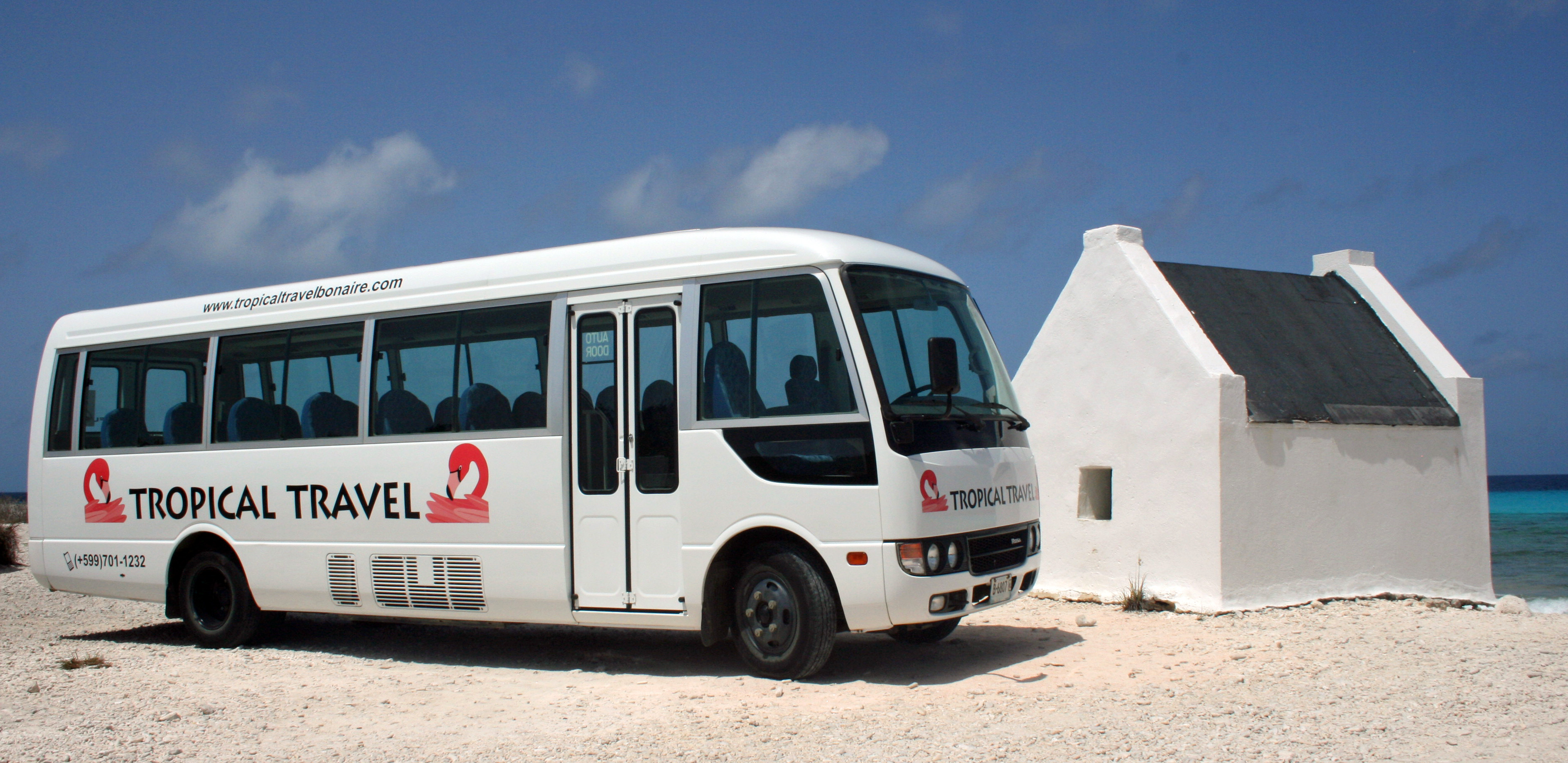
Bonaire’s magic is in the water and the wild corners — not in attractions. These are the experiences visitors consistently rate as the best of their trip, bookable directly with the local crews that run them.
Itineraries
Ready-made island plans

3 days
The greatest hits: Klein Bonaire, the wild south loop and one unforgettable morning on (or under) the water.
See the plan →
5 days
The sweet spot. Everything above, plus Washington-Slagbaai park and a slow day at Lac Bay.
See the plan →
7 days
The full island at island pace — reef, mangroves, Rincon culture and days where the plan is no plan.
See the plan →
First-timers
What surprises people, the mistakes everyone makes once, and what to book before you fly.
Read it first →
Hidden gems
The secrets of Bonaire
Bioluminescent “string of pearls” nights, cave pools you can swim in, the backstreets of the island’s oldest village and beaches nobody photographs. The island beyond the postcard.
Discover the secretsGood to know before you go
Two things set Bonaire apart from almost every other Caribbean island. First, the entire coastline has been a protected marine park since 1979 — which is why the reef starts healthy a few metres from shore. Everyone who enters the water pays a small nature fee that funds that protection. Second, the island runs on the US dollar and a very Dutch sense of organisation, which makes it one of the easiest islands to travel independently.
Is Bonaire expensive to visit?
Mid-range for the Caribbean. Accommodation and dining cost less than Aruba or St. Barts, and because the best activities are reef- and nature-based, day-to-day spending is manageable. See our money guide for real daily budgets.
Do I need to speak Dutch to visit Bonaire?
No. English is spoken virtually everywhere, alongside Dutch, Papiamentu and Spanish. Menus and tours are routinely offered in English.
Is Bonaire safe for tourists?
Bonaire is one of the safer Caribbean islands. The main “crime” visitors encounter is petty theft from unlocked rental vehicles — locals leave cars unlocked and empty at dive sites for exactly that reason. Violent crime affecting tourists is rare.
Is Bonaire in the hurricane belt?
No — Bonaire lies south of the hurricane belt, so direct hits are extremely rare. That’s why the island is a reliable choice even in the Caribbean’s autumn storm season. More in when to visit.
Can I book tours on the island, or should I book ahead?
Boat trips to Klein Bonaire, popular snorkel sails and dive courses fill up first, especially December–April and on cruise ship days. Booking those a few days ahead is smart; most land tours can be arranged last-minute.